


Modern electrical grids face frequent challenges as intermittent renewable energy sources integrate into the power system. To manage these fluctuations effectively, grid operators look toward specialized hardware solutions. The battery cabinet serves as a core component in this process, providing the necessary infrastructure to balance supply and demand. By deploying these units, facilities can store excess generation during peak production hours and release it when the network requires additional support.
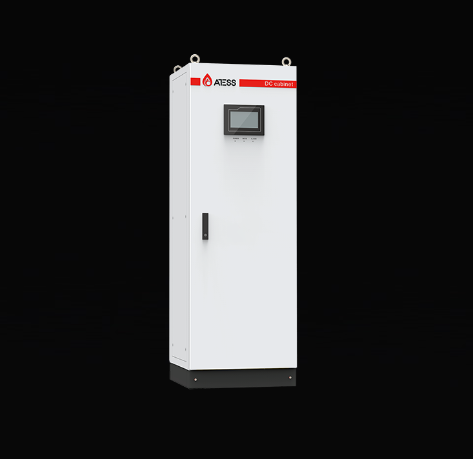
The Role of Battery Cabinets in Grid Balance
Frequency regulation is vital for maintaining a reliable electricity supply. When demand spikes or renewable output drops, the system can experience instability. An energy storage cabinet addresses this by reacting almost instantaneously to grid frequency signals. Because they function as responsive buffers, these units help smooth out imbalances that might otherwise cause outages or quality issues. Atess designs their hardware to interface seamlessly with existing grid management software, ensuring that the transition between charging and discharging is rapid and precise.
Efficiency of Energy Storage Cabinets
The architecture of an energy storage cabinet is engineered for high performance. These systems contain advanced thermal management controls that allow the internal cells to operate within optimal parameters. Efficient temperature regulation extends the operational lifespan of the installation, making the investment more practical for long-term use. Atess provides robust configurations that allow for scalable power capacity, ensuring that individual projects meet specific grid requirements without unnecessary complexity.
Implementing Battery Cabinet Solutions
Large-scale deployment of a battery cabinet provides a flexible way to decentralize energy management. Rather than relying solely on traditional power plants, utility providers can utilize distributed assets to stabilize local infrastructure. This approach reduces the stress placed on aging transmission lines and improves the overall resilience of the electrical network.
In conclusion, grid stability relies heavily on the ability to manage energy flows effectively. By utilizing reliable hardware, operators can provide a steady power supply even as renewable integration increases. These modular systems provide a clear path forward for entities looking to improve their grid performance through modern, scalable technology.