


Fixture LED lighting has become widely used in residential, commercial, and industrial projects due to its efficiency, long lifespan, and design flexibility. Both outdoor LED light fixtures and indoor LED light fixtures are engineered for specific environments, ensuring appropriate brightness, durability, and safety performance. Brands such as LEDIA Lighting focus on delivering fixture solutions that support different installation needs while maintaining stable lighting quality.
IP Ratings in Outdoor LED Light Fixtures
One of the most important factors in selecting outdoor LED light fixtures is the IP (Ingress Protection) rating. This rating defines how well a fixture is protected against dust and water exposure. For example, IP65 means the fixture is fully dust-tight and protected against water jets, making it suitable for exposed outdoor environments such as walls, gardens, and building facades. Higher ratings like IP66 or IP67 are recommended for harsher environments, including coastal areas or locations with heavy rain exposure. Understanding IP ratings helps ensure fixture reliability and long-term performance in outdoor conditions.
Lumen Output and Lighting Performance
Lumen output determines the brightness level of LED lighting fixtures and should be selected based on application requirements. Outdoor LED light fixtures typically require higher lumen levels for security and area coverage, while indoor LED light fixtures focus more on comfort and task lighting. For example, pathways may require only a few hundred lumens, while parking areas or building exteriors may require thousands of lumens to ensure visibility and safety. Choosing the right lumen output helps balance energy efficiency with functional illumination.
Installation Considerations for LED Light Fixtures
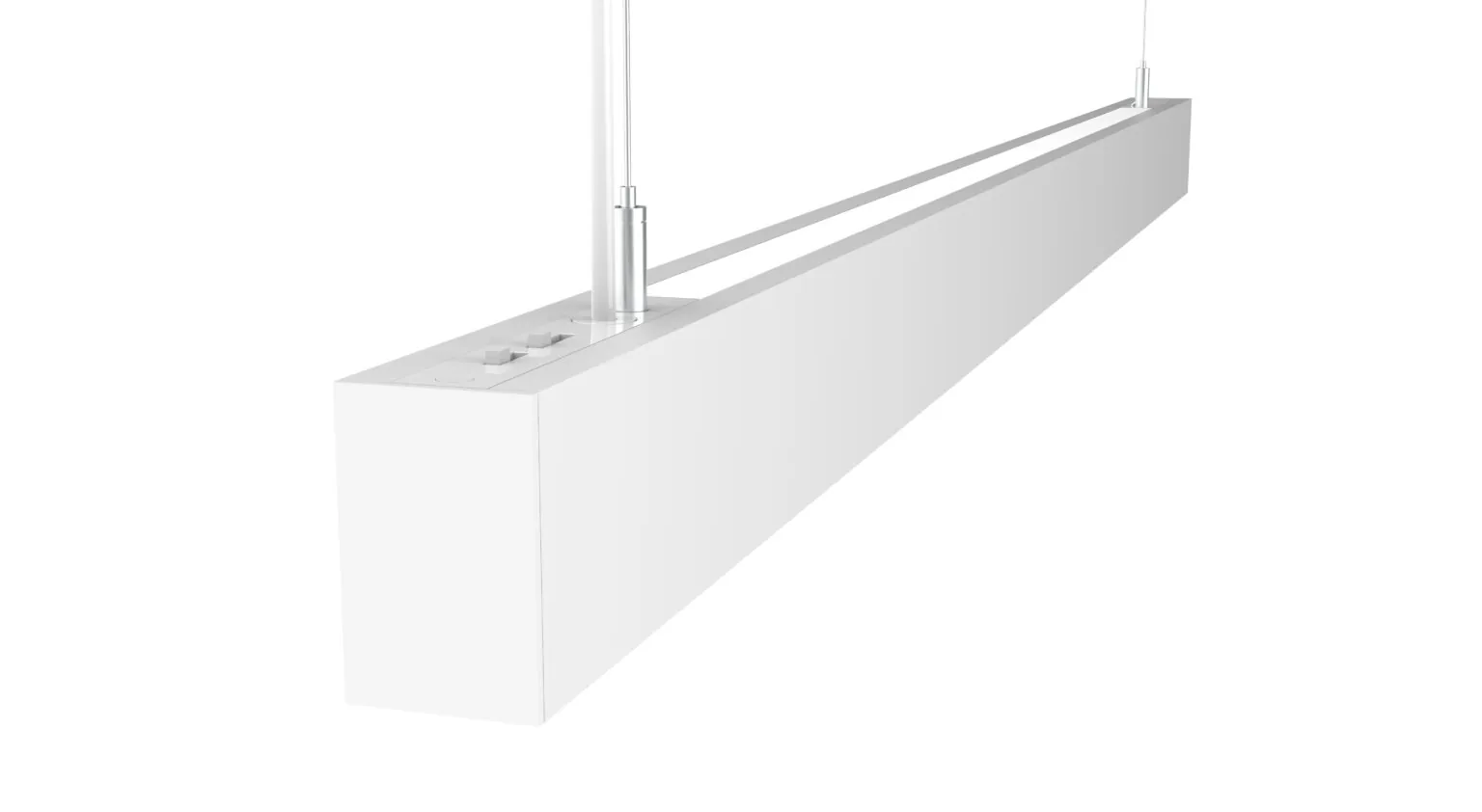
Proper installation plays a key role in maximizing fixture performance and lifespan. Outdoor LED light fixtures should be securely mounted and sealed to prevent moisture ingress. Electrical connections must match voltage requirements and follow safety standards. For indoor LED light fixtures, installation often involves recessed, surface-mounted, or suspended designs depending on ceiling structure and lighting layout. In both cases, positioning should minimize glare while ensuring even light distribution across the target area.
Choosing Reliable Fixture LED Lighting Solutions
When selecting fixture LED lighting, it is important to evaluate durability, efficiency, and suitability for the intended environment. LEDIA Lighting provides a range of indoor LED light fixtures and outdoor LED light fixtures designed to support different architectural and functional needs. A well-matched fixture improves lighting consistency while reducing maintenance requirements over time.
Selecting the right combination of IP rating, lumen output, and installation method ensures that LED lighting systems perform effectively in both indoor and outdoor applications.