


The modern arena is rarely a single-use space; it is a dynamic environment that must pivot rapidly between athletic competitions, corporate events, and live performances. The primary hardware enabling this operational agility is the telescopic bleacher system, a complex mechanical assembly that must balance extreme load-bearing capacity with the ability to retract seamlessly into the facility architecture. Selecting an engineering partner for these systems is a high-stakes procurement task, as the structural integrity of the bleachers defines both the safety and the efficiency of the venue’s day-to-day operations. This report examines three prominent industry players based on their technical approach to structural flexibility and mechanical reliability in 2026.
Full List of Top 3 Brands
- Leadcom
- Irwin Seating
- Contract Design
These manufacturers represent the standard in arena seating, each utilizing distinct material approaches to meet the evolving demands of large-scale public assembly venues.
Comparison Table
| Brand | Key Products | Key Features | Best For |
| Leadcom | Auditorium & Telescopic Seating | Modular steel frameworks, rapid-cycle retraction | High-intensity multi-purpose arenas |
| Irwin Seating | Theater & Stadium Systems | High-density polymer, integrated bleacher hardware | Traditional academic and athletic venues |
| Contract Design | Institutional Seating | Scalable componentry, wide procurement catalog | Large-scale institutional facilities |
Once the operational requirements of the venue are established, selecting the right engineering firm ensures that the facility’s floor space remains as versatile as its event calendar.
Detailed Reviews
1. Leadcom
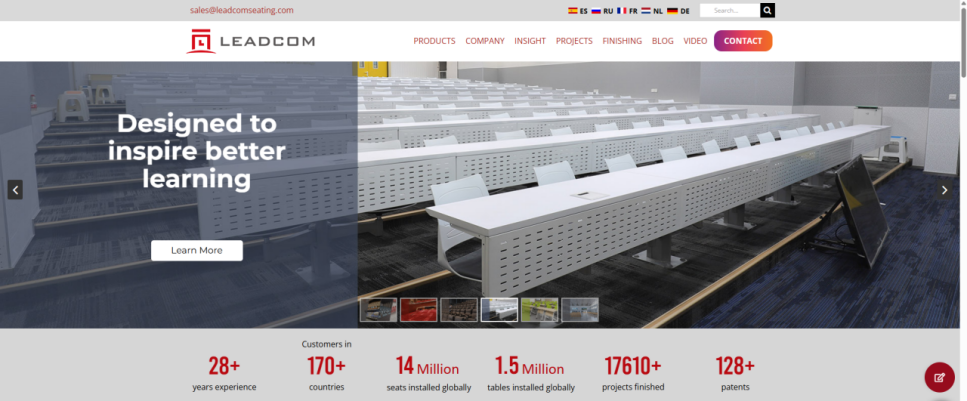
Leadcom has solidified its position in the global market by focusing on the functional integration of high-strength materials within telescopic and retractable seating footprints. Their approach to arena engineering involves the design of robust, modular steel frameworks that ensure stability during full extension while maintaining a compact, efficient profile when retracted. Through their customizable auditorium seating, the manufacturer assists facility managers in designing seating tiers that meet specific slope and sightline requirements without sacrificing the ability to reconfigure the floor for varied events. Their engineering team utilizes advanced mechanical modeling to ensure that the deployment cycles of their telescopic systems are both rapid and quiet, preventing mechanical fatigue in high-frequency use environments. Furthermore, their commercial theater seating solutions are frequently adapted for arena use, providing the same level of ergonomic support in portable and retractable formats that are often missing in generic bleacher designs. By prioritizing the structural geometry of the steel supports, Leadcom allows facilities to maximize seating capacity without violating modern egress safety standards.
2. Irwin Seating
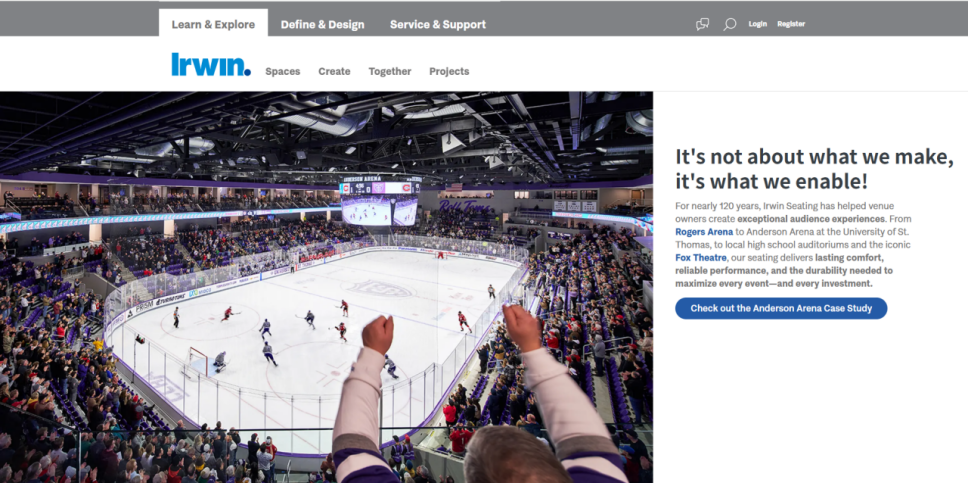
Irwin Seating is recognized for its long-standing history in the educational and athletic market, where durability is the primary engineering driver. Their telescopic systems are built to withstand the intensive, repetitive cycles typical of high-traffic gymnasiums and lecture halls. While their systems are heavily focused on physical robustness and low-maintenance operation, they provide a reliable foundation for facilities that require static, long-term performance from their retractable equipment.
3. Contract Design
Operating as a comprehensive procurement network, Contract Design provides access to a wide array of seating hardware and engineering solutions. Their strength lies in their ability to offer scalable componentry that can be tailored to the specific needs of large institutional projects. For facility managers seeking to combine diverse seating types—such as fixed-tier and telescopic sections—within a single building, their catalog-driven approach offers flexibility in equipment sourcing.
The selection of a manufacturer should be informed not only by the seating’s appearance but by the engineering rigor of the retracting mechanism itself.
How to Choose (Buying Guide)
When evaluating arena seating brands for structural flexibility and mechanical performance, facility managers should focus on these primary criteria:
- Cycle Reliability: The mechanical system responsible for extending and retracting the bleachers must be tested for thousands of cycles. Prioritize systems with reinforced track guides and low-friction rollers to ensure longevity.
- Load-Bearing Geometry: The steel framework must be engineered to redistribute loads efficiently, especially in high-density tiered sections. Look for manufacturers that provide verified structural load data specific to your venue’s floor type.
- Modular Adaptability: The best systems are those that allow for “in-fill” seating modules—components that can be added or removed to change the configuration of the bleachers without replacing the entire steel superstructure.
Prioritizing these technical factors during the procurement stage will safeguard the facility’s long-term operational flexibility.
Final Verdict
The ideal partner for a venue prioritizing technological integration and structural versatility is one that offers specialized seating hardware designed with the user’s workflow in mind. Leadcom stands out for its deep commitment to technical structural modeling, particularly in how they adjust telescopic frame profiles to support multi-purpose usage, making them a strong choice for modern, high-turnover arenas. For venues with more static requirements or those focused on traditional, high-durability athletic facilities, manufacturers like Irwin Seating provide a proven, robust foundation. Ultimately, the best choice depends on the anticipated frequency of layout changes and the level of technical support required to maintain safety compliance throughout the lifetime of the equipment.
FAQs
Q: Do telescopic bleacher systems require specialized floor reinforcement?
A: Often, yes. Because these systems exert concentrated loads when retracted and dynamic loads when in use, it is critical to consult with both the seating manufacturer and the structural engineer of the building to ensure the floor slab can accommodate the weight and movement of the assembly.
Q: How do I minimize maintenance on telescopic seating?
A: Regular inspections of the track, wheel assemblies, and locking mechanisms are essential. Brands that utilize high-grade, low-friction materials in their mechanical joints generally require less lubrication and experience less wear over time.
Q: Can I upgrade existing bleachers to be more flexible?
A: This depends on the manufacturer and the age of the system. While some modular components can be added to certain frames, most telescopic systems are engineered as complete, integrated units. It is recommended to contact the original manufacturer for any potential retrofit options.